
WORKS
BACK TO ALL WORKS


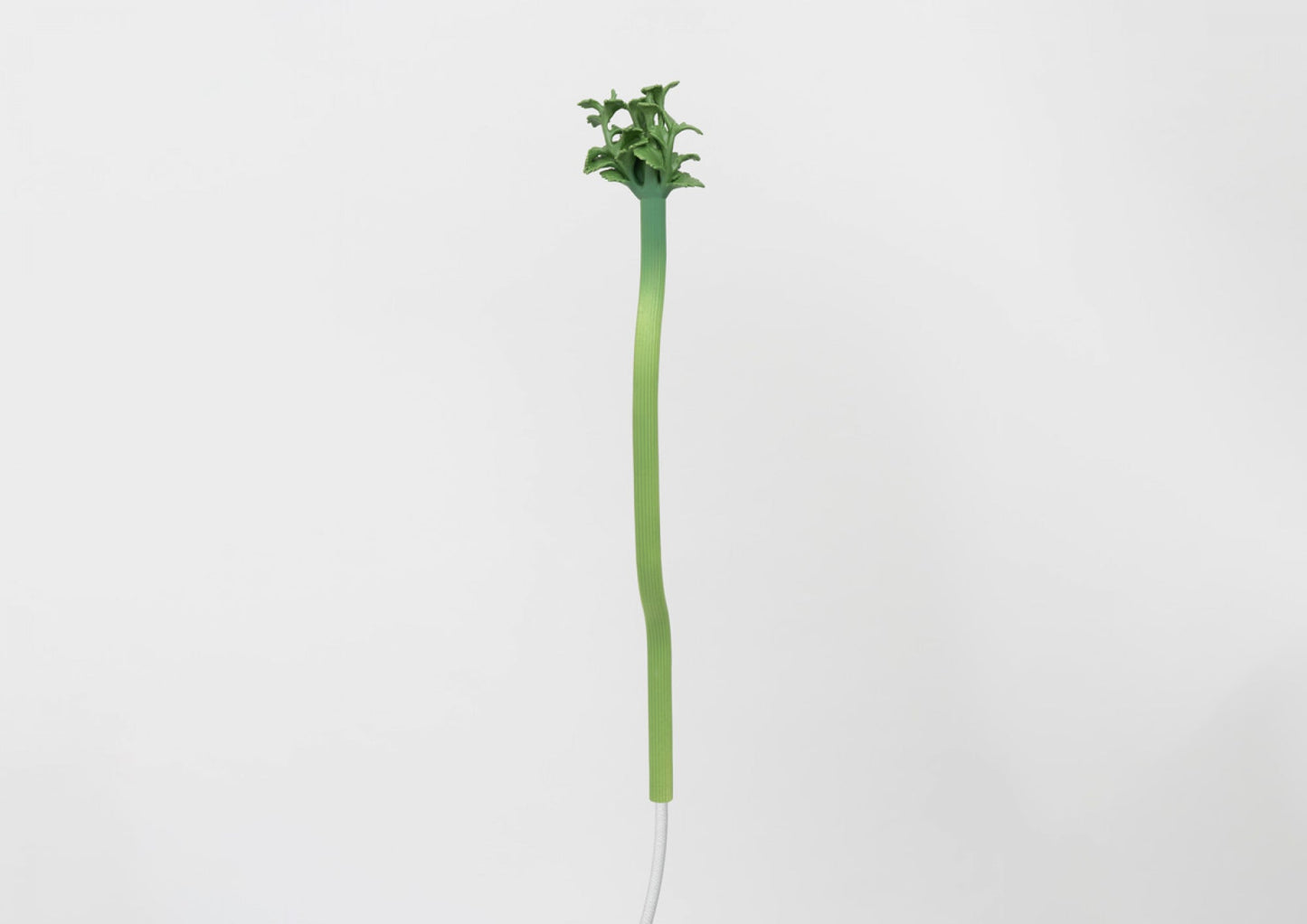
Sunny Sally
For the OMG-GMO project, Robert Stadler borrows the forms of these engineered fruit and vegetables to create ten ceramic, hand-painted objects that ironically transform the organic into something structural and functional. Conceived as a series of small-scale monuments, these objects both criticise and mock human manipulation of nature: a slice of a Japanese rectangular seedless watermelon becomes a stool, zucchini bend in a perfect L shape to create a set of shelves, and wheel-like aubergines support a glass coffee table, as a reference to Gae Aulenti’s Tavolo con Ruote.



THE DESIGNER

Robert Stadler
Paris, France
Robert Stadler was born in 1966 in Vienna, Austria. He studied design at IED/Milan and at ENSCI/Paris. In 1992 he cofounded the Radi Designers group which was active until 2008. The group created limited edition pieces for Galerie kreo and also major industrial design commissions for Air France or Moulinex. In 2001 Robert Stadler set up his own design studio in Paris. He works for clients such as Hermès, Lobmeyr, Thonet and Vitra and also has created a number of limited edition pieces for Carpenters Workshop Gallery. His work is included in the permanent collections of the MAK - Museum for Applied Arts / Contemporary Art in Vienna, Les Arts Décoratifs in Paris, Fondation Cartier pour l’Art contemporain, Fonds National d'Art Contemporain and Vitra Design Museum. Stadler has also curated several exhibitions amongst which QUIZ at Galerie Poirel in Nancy and at MUDAM Luxemburg.
In 2017 the Noguchi Museum in New York presented his first institutional exhibition in the US in dialogue with Isamu Noguchi’s works. In the same year his first survey exhibition was shown at Kunsthalle im Lipsiusbau in Dresden, Germany. He designed and curated the exhibition "Typecasting - An Assembly of Iconic, Forgotten and New Vitra Characters" at La Pelota during Milan Design Week 2018. Robert Stadler intervenes in diverse fields, obliterating hierarchies between — as he puts it — Duty Free proposals, and industrial or public commissions. He regularly explores the exhibition context in order to question the identity of objects.

I-MIRROR I-MIRROR

VITAMIX VITAMIX

REST IN PEACE CHAIR #2 REST IN PEACE CHAIR #2

Gay Gae Gay Gae

Buttercut Buttercut


Tiptoe Tiptoe

Mute Mix Mute Mix

Juicy Josef Juicy Josef

Troublanc Troublanc

Richard Richard

Rest In Peace Table Rest In Peace Table
I-MIRROR I-MIRROR
VITAMIX VITAMIX
REST IN PEACE CHAIR #2 REST IN PEACE CHAIR #2
Gay Gae Gay Gae
-
-
Tiptoe Tiptoe
By Robert Stadler -
Mute Mix Mute Mix
By Robert Stadler -
Juicy Josef Juicy Josef
By Robert Stadler -
Tetra Yum Tetra Yum
By Robert Stadler -
Size Matters Size Matters
By Robert Stadler


-
-
Tiptoe Tiptoe
By Robert Stadler -
Mute Mix Mute Mix
By Robert Stadler -
Juicy Josef Juicy Josef
By Robert Stadler